
What are the 7 types of ADHD? In the United States, more than 6 million kids have an ADHD diagnosis. While still considered a childhood neurodevelopmental disorder, estimates of adult ADHD range from 2.5% to 4% of the adult population.
To support ADHD children, more parents are digging into the research and learning about their own ADHD. As a parent with ADHD, I get it. Like me, in your research, you may have heard about different types of ADHD and want to know more.
If so, let’s explore seven types of ADHD described by Dr. Daniel Amen. Then, we’ll discuss why they’re key to effective and targeted ADHD treatment.

This post may contain affiliate links. As an Amazon Associate, I may earn a nominal fee from qualifying purchases. Thank you for your support. See my disclosure policy for more info.
What is ADHD?
Before we dive into the 7 types of ADHD, let’s get on the same page about ADHD.
According to the National Institute of Mental Health, ADHD, or Attention Deficit Hyperactivity Disorder, is a neurodevelopmental condition known for challenges with executive functioning.
Executive functioning is the term used to describe a set of essential skills that allow us to:
- Make wise choices,
- Demonstrate self-control
- Regulate emotions
- Delay gratification
- Use impulse control
- Make plans and execute them
They’re housed in the prefrontal cortex of the brain. The prefrontal cortex (PFC) appears to be highly related to ADHD. Specifically, scans show both delayed growth and blood flow in the PFC of those with symptoms of ADHD.
Common Signs of ADHD
Some of the most common symptoms of ADHD include the following.
- Impulsivity,
- Hyperactivity,
- Inattention and,
- Challenges with emotional regulation
Again, these symptoms of ADHD are related to executive functioning challenges.
Dopamine and ADHD
Moreover, ADHD is commonly associated with levels of neurotransmitters related to motivation and focus. Specifically, we see low dopamine levels in ADHD.
A lack of dopamine makes executing routine everyday tasks extremely challenging for children and adults with ADHD.
Hyperfocus and ADHD

This is where things can get confusing for neurotypical folks. They don’t understand when their ADHD loved ones can’t focus on chores but can easily concentrate on their interests. For example:
- Favorite TV shows,
- Social media feeds,
- Video games,
- or Other passions
In truth, though, this is a common sign of ADHD.
Hyperfocus describes the ability to zero in on areas of intense interest. This happens because interests drive the release of dopamine, the reward and motivation neurotransmitter.
3 Official Types of ADHD
Currently, under the DSM-V (Diagnostic Statistical Manual of Mental Disorders) criteria, ADHD is categorized into one of three subtypes.
- Inattentive ADHD
- characterized by inattention
- Hyperactive-Impulsive ADHD
- seen as impulsive behavior and hyperactivity
- Combined Type ADHD (combination of the first two ADHD subtypes)
- includes symptoms of inattention and hyperactivity
Depending upon specific symptoms, children and adults are diagnosed with one of the above subtypes of ADHD.
However, as experts and patients know, these three subtypes of ADHD are far from exhaustive. In the end, they don’t scratch the surface when it comes to the treatment of specific ADHD symptoms.
Diagnosis and Support
If you suspect you or your child has ADHD, seeking professional help is a good place to start.
However, most doctors and psychiatrists make ADHD diagnoses based on clusters of symptoms described in the DSM. The DSM-V is a guidebook published by the American Psychiatric Association.
It’s important to note that it’s updated and revised roughly every 5-7 years. And this means that diagnostic criteria change over time.
For example, the term ADD, or Attention Deficit Disorder, is no longer a diagnosis. Rather, the previous diagnosis of ADD is now labeled Inattentive ADHD.
Effects of Untreated ADHD
In his book, Healing ADD, Dr. Daniel Amen says,
If you have 6 out of 9 symptoms, you’re given a specific diagnosis… which drives treatment.”
Dr. Daniel Amen, Healing ADD, 2013, p. xxviii
Broadly defined diagnostic criteria can lead to treatment recommendations that may not work. On the other hand, untreated ADHD has devastating consequences.
- Low self-esteem
- Poor academic outcomes
- Mental health disorders
- Increased rates of teen pregnancy
- Higher levels of automobile accidents
- Increased rates of drug and substance abuse
- Higher rates of tobacco use
Clearly, it’s essential for parents and those with ADHD to get proper support. The best way to do this will be based on each person’s unique ADHD symptoms.

Proper ADHD Treatment is NOT One-Size-Fits-All
However, the most common treatment prescribed is some type of ADHD stimulant medication. And while there is value in stimulants and other ADHD medications, they’re not foolproof and they’re not for everyone.
Further, as most patients can attest, finding the right ADHD medication can be incredibly difficult. Some side effects can make different types of ADHD medication not worth it.
This is why defining and treating the unique ADHD symptoms of the individual patient is vital. Doing so can mitigate the damaging long-term effects of untreated ADHD.

Isn’t It Just ADHD Now?
Fortunately, experts like Dr. Daniel G. Amen and Dr. Russell Barkley work tirelessly to research ADHD.
Dr. Amen, an ADHD specialist, has spent his career examining the brain through neuroimaging called SPECT scans. This work has specifically supported those with traumatic head injuries, ADHD, and mental health challenges.
According to Dr. Amen, the current diagnostic criteria of ADHD and its three subtypes make no sense. He explains that more than half of those diagnosed with ADHD DO NOT show symptoms of hyperactivity.
For this reason and others, he often uses the term ADD. Further, he’s taken his decades of experience to create a more practical framework of 7 sub-types of ADD.
As you’ll soon see, Dr. Amen’s seven ADHD subtypes help direct targeted and effective ADHD treatment.

A Map of The ADHD Brain
The following areas of the brain are impacted by ADHD:
- Cerebral cortex
- Prefrontal cortex
- Temporal lobes
- Parietal lobes
- Cerebellum
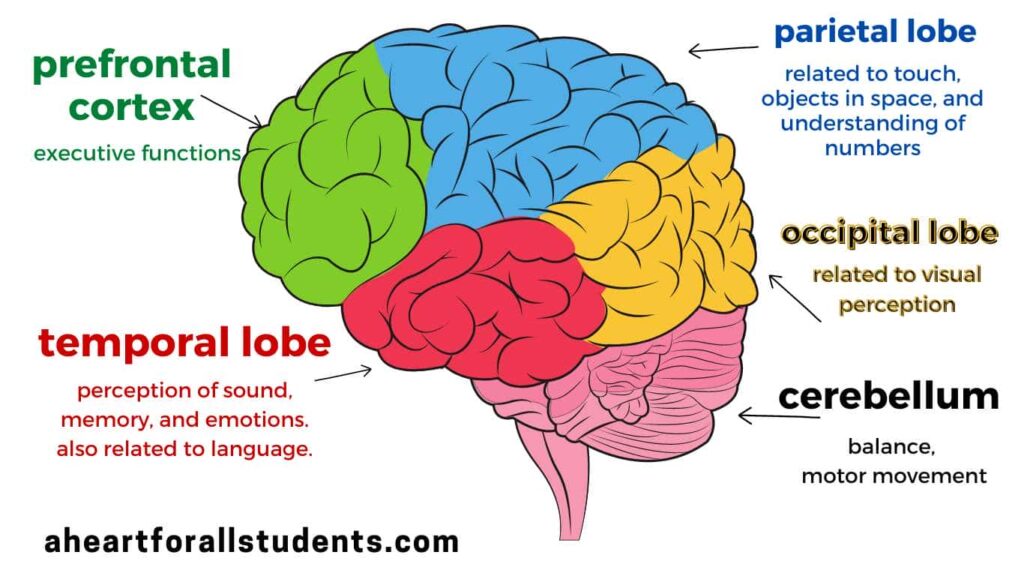
The diagram is meant to provide a rough map of the outer brain anatomy related to Dr. Amen’s seven different types of ADHD. Specifically,
- Cerebral Cortex (Outer/uppermost area of the brain)
- Divided into 4 parts (lobes)
- Frontal Lobe:
- Parietal Lobe:
- Touch,
- Where objects are in space,
- Numbers
- Occipital:
- Visual perception
- Temporal:
- Perception of sound,
- Emotions,
- Memory,
- Language
- Cerebellum
- Balance,
- Motor movement and coordination
The 7 Types of ADHD
After decades of research and treating patients, Dr. Amen has defined seven types of ADHD we’re talking about today.
These seven ADD types (or ADHD types) are symptom-specific and may offer more precise guidance for effective treatments. Let’s take a look at these different types of ADD (ADHD) now.
Type 1: Classic ADD
The first type of ADD (ADHD) as defined by Dr. Amen is what he calls, Classic ADHD.
Symptoms of classic ADD include the following:
- Inattention
- Distractibility
- Hyperactivity
- Impulsivity
- Disorganization
- Restlessness
Using the DSM criteria, this is closely aligned with ADHD Combined type.
Area of the Brain Most Impacted by Type 1: Classic ADHD
- Prefrontal cortex
- Responsible for sustaining attention, focus, and other executive functions
In Type 1 ADD, SPECT scans show reduced brain activity in the PFC when engaged in concentration tasks. For example, taking tests or reading a book.
Type 2: Inattentive ADD
The next type of ADHD in Dr. Amen’s seven types of ADD is Type 2: Inattentive ADD.
Symptoms of Inattentive ADHD include:
- Inattention
- Distractibility
- Disorganized
These symptoms most closely align with the current Inattentive ADHD subtype. Sadly, those diagnosed with inattentive type ADHD are often labeled as space cadets, daydreamers, or lazy.
But the truth is that Type 2 ADHDers often struggle with low energy which translates to low energy production in the brain. Understanding this can support treatment. Even more, Type 2 ADHD is very common in undiagnosed girls and women.
Area of the Brain Most Impacted by Type 2: Inattentive ADHD
- Prefrontal cortex
As with Classic ADHD, in Inattentive ADHD, concentration tasks lead to reduced blood flow to the Prefrontal Cortex.

Related Post:
Type 3: Overfocused ADD
The third type of Dr. Amen’s seven types of ADHD is Type 3: Overfocused ADD. As we dive into this third type, you’ll notice more specific nuances in symptoms.
Symptoms of Overfocused ADHD:
The following symptoms are associated with Overfocused ADHD:
- Difficulties shifting attention
- Can get stuck in negative thought-loops
- Challenges with flexible thinking
- This can lead to worry, obsession, and dark thoughts
- Oppositional
- Perception is often negative
- Fault-finding
The overfocused type of ADHD can appear opposite to ADHD. This type of ADHD can lead to organizing as a compensatory strategy.
Brain Area Impacted by Type 3: Overfocused ADHD
The Anterior Cingulate Gyrus is over-active in Overfocused ADHD. (See diagram below.) It’s responsible for:
- Shifting attention
- Error detection
Due to the high level of activity in the Anterior Cingulate Gyrus, those with Type 3 ADHD notice everything they hate about themselves and others.

Overfocused ADHD in Real Life:
- Can’t let things go
- Holds grudges
- Strong reaction to slight offenses
- Upset when things don’t go their way
In a child, Overfocused ADHD can appear as willful disobedience. However, when we look behind the behavior, they need support and not shame.
In Healing ADD, Dr. Amen notes that Overfocused ADHD is often seen in families with generational histories of alcoholism.

Type 4: Temporal Lobe ADD
Dr. Amen’s fourth type of ADHD is called Temporal Lobe ADD because there’s low activity in the temporal lobes. Symptoms of Temporal Lobe ADHD include:
- Inattention
- Distractibility
- Challenges with disorganization
- Difficulties with mood stability
- Deficits in memory
- Irritability
According to Dr. Amen, this type of ADHD is most often associated with learning disabilities and challenges.
Brain Area Impacted by Type 4: Temporal ADHD
- Temporal lobes which are responsible for:
- Learning
- Memory
- Controlling Temper
- Prefrontal Cortex
- Cerebellum
- Basal Ganglia
Temporal ADHD in Real Life:
- Temper outbursts
- Behavioral problems
Type 5: Limbic ADD
The fifth type of ADHD is termed Type 5: Limbic ADHD.
Brain Area Impacted by Type 5: Limbic ADHD
General increased activity in:
- Limbic system
When engaged in concentration tasks, those with Type 5 ADHD experience decreased activity in:
- Prefrontal cortex
- Cerebellum
- Basal ganglia
Symptoms of Limbic ADHD include:
- Short attention span
- Highly distracted
- Disorganization
- Low levels of depression or dysthymia
- Negative perception of life
Someone with Limbic ADHD may have low energy levels and struggle in social situations.
Type 6: Ring of Fire ADD
This next form of ADHD is called Type 6: Ring of Fire ADHD.
Symptoms of ADD in Ring of Fire ADHD:
- Short attention span
- Highly distracted due to racing thoughts
- Sensory sensitivities
- Hyperverbal
- Mood instability
- Conflict-driven behavior
- Oppositional (independent) behavior
Brain Area Impacted in Type 6: Ring of Fire ADHD
There’s a pattern of overactivation throughout the entire brain including the frontal lobe. Additionally,
- Cerebral cortex
- Cingulate gyrus
- Parietal lobes
- Temporal lobes
- Prefrontal cortex
In his book, Healing ADD, Dr. Amen notes that the symptoms of Ring of Fire ADHD resemble those of bipolar disorder.
However, he suspects it could be related to some form of allergy or infection.
Further, the ADD symptoms of Type 6 resemble some we may see in autistic children and adults. For example, Ring of Fire ADHD in children can look like Oppositional Defiant Disorder.
Type 7: Anxious ADD
This final type of ADHD was most recently added to Dr. Amen’s ADHD subtypes.
Type 7: Anxious ADHD Symptoms
Anxious ADD is the final type of ADD in Dr. Amen’s 7 types of ADHD. Like the other six types, Type 7 Anxious ADHD has its own set of symptoms.
- Inattention
- Highly distracted
- Disorganized
- Anxious and nervous
- Social anxiety
- Somatic symptoms
- Headaches,
- Stomach aches,
- Digestive issues
Children with Anxious ADHD often struggle with timed tests and other timed tasks. (This is just one reason why I often recommend getting rid of timers to support learning.)
Related Post:
Brain Area Impacted in Type 7: Anxious ADHD
In Type 7: Anxious ADD there’s increased activity in the basal ganglia. Anxiety is associated with this area of the brain. Additional brain areas impacted by Anxious ADD include:
- Prefrontal cortex
- Cerebellum
Type 7 Anxious ADD individuals often have a difficult time in social situations. A fear of being judged can lead to isolation. Additionally, you may see them as conflict-avoidant for fear of rejection.
Treatment Options for ADHD
Dr. Amen typically recommends a holistic approach to treatment which should be based on the specific type of ADHD. An ADHD treatment plan may include:
- Behavioral therapy
- Not ABA
- Mental health support
- Trauma-informed care
- EMDR therapy
- Polyvagal Theory
- IFS (Internal Family Systems)
- Lifestyle changes
- Diet and exercise
- Deep breathing
- Meditation
- Yoga
- Prayer
- Journaling
- Targeted ADHD supplements
- ADHD Medication when necessary
The 7 types of ADHD as defined by Amen Clinics, can help you make more informed decisions about your ADHD treatment plan.

Utility of the 7 Types of ADHD
His seven types of ADHD, while not part of the official diagnostic criteria are valuable to guide treatment based on your specific issues.
Giving stimulant medication meant to treat symptoms of hyperactivity may not work for inattentive type ADHD. On the other hand, a combination of medication and exercise may be exactly what your Classic ADHD child needs.
At the end of the day, understanding the nuances of how ADHD presents, may help guide treatment decisions.
Recap: What are the 7 Types of ADHD?
Fortunately, researchers continue to work to improve our understanding of ADHD, its causes, and the best treatment options. Dr. Amen and his team at Amen Clinics are some of those ADHD experts.
In the end, his 7 types of ADHD can inform your choice of treatment options, making treatment decisions more effective.
Those seven types of ADD, offer valuable insight into the ADHD symptoms of your particular type of ADHD.
- Classic ADD
- Inattentive ADD
- Overfocused ADD
- Temporal ADHD
- Limbic ADHD
- Ring of Fire ADHD
- Anxious ADD
If you or someone you love is struggling with any of the discussed symptoms of ADHD, seek professional help and educate yourself on ADHD. So, Friend. What do you think?

About the Author:
Lindsay is a trauma-informed educator with a Master’s Degree in Teaching. Her mission is to support moms to equip neurodivergent kids (ADHD, Autism, Dyslexia, Anxiety) to thrive as exactly who they’ve been created to be. Wait until you hear the story that led to it all…
ADHD Nutritional Support
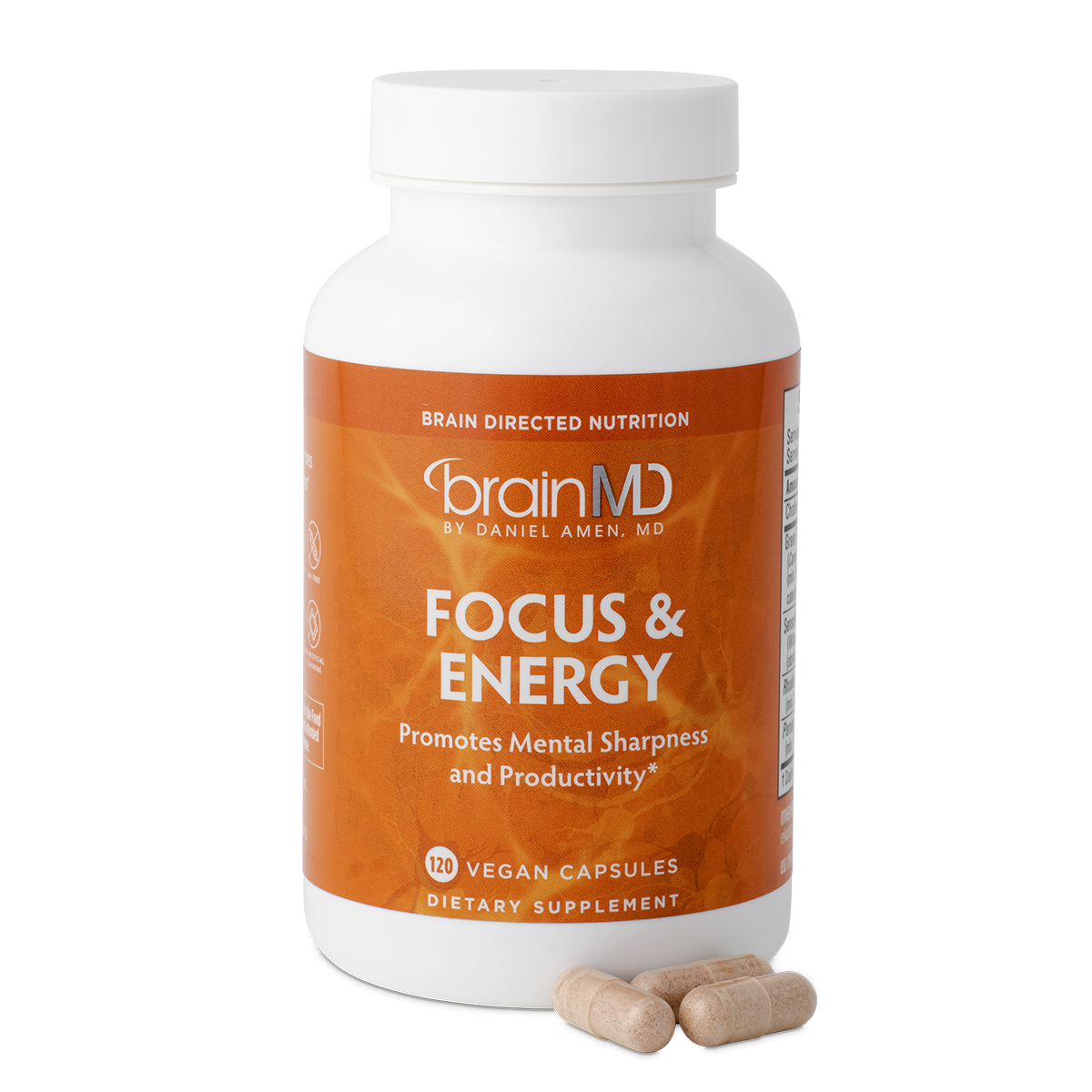
- Focus & Energy

- Price: $39.95
- Attention Support
- Price: $39.95

- Kids' NeuroVite Multivitamin Chewables
- Price: $29.95

- NeuroVite Plus Multivitamin
- Price: $49.95

Here are some of our family's favorite ADHD, attention, focus, and energy support tools.