If you’re wondering how to teach double-digit addition with regrouping, you’re in the right place.
You may be homeschooling a child who’s in second grade. On the other hand, you may be a classroom teacher looking for some fresh ideas to inspire your math lessons. Whatever the reason, I’m glad you’re here.
Today, I’m sharing different strategies to help you teach double-digit addition with regrouping. We’ll go through each strategy and then you can decide which approach will be best for your unique learner.
So, if you’re ready to help your child add two-digit numbers with regrouping, let’s get started.

This post may contain affiliate links. As an Amazon Associate, I may earn a nominal fee from qualifying purchases. Thank you for your support. See my disclosure policy for more info.
Review Prerequisite Skills
A great way to introduce kids to regrouping when adding double-digit numbers is to go backward. Specifically, it’s important to review foundational concepts such as:
- Place value,
- Basic math facts,
- ensuring fluency in addition and subtraction problems,
- Two-digit addition without regrouping
Let’s briefly review these math concepts.
Concrete Models and Math Manipulatives
Using concrete models helps make the abstract nature of place value, real. You can use a variety of math manipulatives such as:
- Base-ten blocks
- Number lines
- Math sticks
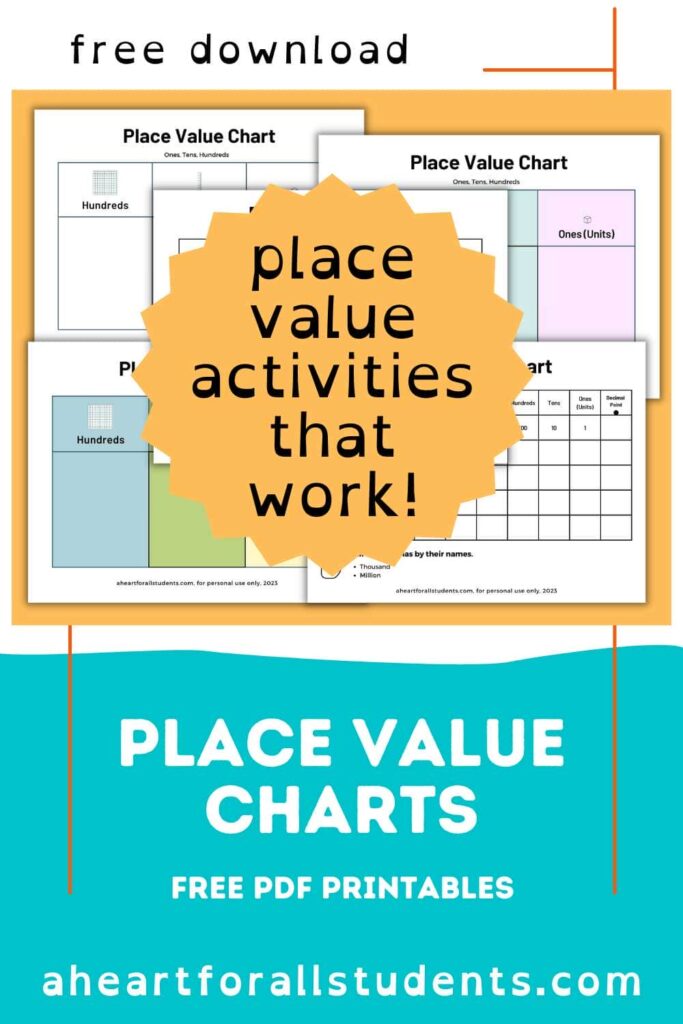
Additionally, use graphic organizers such as place value charts and reference charts to support your student. I often use base-ten blocks or Unifix cubes in combination with a place value chart to review place value.
The Importance of Place Value
A firm understanding of place value is essential to success in math.
Because of this, it’s necessary to review place value thoroughly before adding 2-digit numbers with regrouping.
When teaching a 2-digit addition problem, your student needs to understand the value of the digit in the ones place and the tens place.
It may seem obvious that the ones column and the tens column represent the ones and the tens “place”, but it’s often not.
This is because place value is an abstract concept that young children are often not developmentally able to comprehend.
As such, using various anchor charts and math manipulatives helps make abstract math concepts concrete.
Here are a few different ways to ensure strong place value skills.
Regrouping Strategies for ADHD & Learning Challenges
If you’re teaching a child who struggles with executive functioning, they may have a hard time taking direction from you.
In the event your child needs resists your instruction, give them agency.
For example, I often allow my son to be the “teacher” and we take turns giving one another numbers to build.
For example, he’ll tell me how many blocks to put in each of the place value columns on a place value mat.
- “Mom, we need 3 ones.”
- “Now, add 7 tens.”
- “Put 3 hundreds in the hundreds column.”
Typically, at that point, he’ll say value of the completed three-digit number. If not, I guide him to verbalize the number we just built.
When kids take an active role in teaching, they’re more likely to learn.
Additionally, verbalizing is an active form of learning that’s beneficial to many children.
- ADHD,
- Autism,
- Dyscalculia,
- Dyslexia
- or no learning difference at al.
In the end, it’s a good idea to have students verbalize their new math skills.
1. Place Value Review Activities
Here are some ideas to review place value with your student.
Connect Math Vocabulary the Child’s Vocabulary
Spend time discussing the various “places” on the place value chart.
Emphasize that the term “place” is a location.
Specifically, as a child’s bedroom is their “place”, the tens place is the ten block’s “place”
Build Numbers
Have your child build numbers using place value blocks.
Start with single-digit numbers and later move on to double-digits
If and when they’re ready, have your child build three-digit numbers by moving into the hundreds place.
Practice place value by writing numbers in expanded form.
Expanded form is a good model good for visual learners.
Have your student write two and three-digit numbers into expanded form. .
When written in expanded form, your student will see that 38 is the same as 30+8.
More specifically, they’ll see that:
- Value of the digit 3 is 30
- Value of the digit 8 is 8 ones
To ensure a firm understanding of place value, make sure your child has plenty of practice building numbers.
2. Review Basic Addition Facts
Additionally, help your students prepare for double-digit addition problems by reviewing basic math facts if necessary.
The more fluent they are with the basic addition and subtraction facts, the easier it should be to transition to adding double digit numbers.
It’s never a bad idea to allow your child extra practice on those basic facts. Once your child has mastered their math facts, begin adding two-digit numbers that DO NOT require regrouping.
3. Simple Double-Digit Addition One At a Time
Let’s look at an example two-digit math problem without regrouping.
- 14+22=36
Write a non-regrouping 2-digit addition problem on a small whiteboard using the standard algorithm.
(Make sure to add gridlines to separate the ones and tens columns. More on that in a moment.)
Then walk your student through this addition problem using the same addition strategies they already know.
- Add the digits in the ones’ column
- Then add the digits in the tens column
There’s your answer.
Slowly Integrating Math Skills & Concepts
At this point, you’re reviewing basic addition problems that your student likely learned in first grade. However, now you’re integrating. Specifically, your child is learning to integrate:
- basic addition skills
- the concept of place value
- and multi-digit numbers
This is a perfect first step. (If your child needs extra visual support, try using blank numberline worksheets.)
Teaching Double Digit Addition Problems with Regrouping
Your student is ready to move on the the next step, once you’ve fully reviewed:
- Place value,
- Basic math facts,
- Simple two-digit addition practice,
Yes, this is when we move on to two-digit addition problems with regrouping. The following steps should guide you to best introduce your student to the regrouping process.
1. Start with One Regrouping Equation
It’s important that you don’t hand your student regrouping worksheets with multiple problems on them.
Always start by setting up ONE double-digit addition problem on a whiteboard.
Let’s use the following 2-digit math problem as our example.
Note that you won’t use horizontal problems in the introductory phase.
- 28+13=
Your student should have their math tools as they work through the problem with you.
- place value chart
- math manipulatives (unifix cubes or base-10 blocks)
Check out this video where I share how I teach the concept of regrouping to students with learning differences.
Tutorial: Introducing the Concept of Regrouping
2. Step by Step Regrouping
First, add the digits in the Ones Place by building.
- Place eight Unifix cubes on the ten frame located in the Ones Place on the place value chart.
- Add three more cubes (preferably another color) in the Ones Column of the chart.
- When adding the 3 cubes, fill the open spots on the ten frame before beginning a new one.
- There will be one unit left to place in the second ten frame.
- When adding the 3 cubes, fill the open spots on the ten frame before beginning a new one.
Next, have your student connect the new group of ten unit cubes to make one complete ten block.
Then place the new ten block into the ten’s place of the chart. Students will see that 8 plus 3 makes 11, or one ten and one unit (one).
Have your child write those digits in the correct sum column on their whiteboard.
Further, make sure they know to carry the ten to the addend section of the tens place. An addend is the number you add in an addition problem.
Finally, we add the tens column digits.
Our final answer is 41.
3. Transition to Paper
You’ll want to give your student plenty of regrouping practice with a place value chart and manipulatives until your child is comfortable.
When they have a solid grasp of regrouping, you can move on to more math problems on a page.
Later, they can transition to working through the standard algorithm on paper.
Math Manipulatives for All
It’s important to continue using place value mats and number blocks to help students develop a concrete understanding of regrouping.
Depending on the size of your blocks, have your child build the first 2-digit number and place it within the place value chart.
Remember, it takes years for learning to solidify in the brain.
This means that even if your student knew place value yesterday, doesn’t mean they’ll be able to integrate the concept into new math skills today.
Hands-on multisensory learning is not grade specific.
No matter the age, allow students to use concrete manipulatives until they’re confident without them.
Why One Problem Matters
Whenever introducing a new skill or concept to students, make sure to keep it clean.
What I mean is this.
- Write one problem on a whiteboard in large font.
- Don’t hand a child a worksheet full of new (or difficult) math problems
This is to allow students to focus their limited cognitive fuel on what’s most important.
Visual discrimination can greatly impact the efficiency of learning.
Set your student up for learning success when it’s in your power to do so.
A Note About Common Core Math
Teachers in public schools are often forced to implement a variety of strategies to meet common core standards.
Unfortunately, this means young kids are often forced to manipulate numbers in ways that don’t make sense to them.
As Johnathon Bartlett notes in his blog post, The Fundamental Problem with Common Core Math,
Common Core tries to teach the concepts first, and to incorrectly-aged students. Younger students love memorizing and systems. That is what their brains are geared for.
These standards are meant to help children understand the WHY behind math operations. Having a conceptual understanding of math operations is a good thing.
Too Much Too Soon
However, in an effort to meet these standards, children are often penalized when given too many operations to master when they’re not developmentally ready.
Whether we’re talking about special education in a school system, or meeting the needs of any child, let kids succeed.
Allow student to use math strategies that work for them.
In the end, no matter what the lesson plans say, you’re in charge.
This means that you can modify assignments as you see fit to meet the developmental needs of your student.
You’re in charge of the math curriculum. It’s not the other way around.
Add Gridlines
It’s always helpful to provide visual cues when teaching any new math skill, but specifically in addition with regrouping.
Adding grid lines to math problems will help your student remember that each digit belongs in the correct place value location.
Later, when they’re doing independent work, have your student draw their own place value lines when working with double digits.
Visual Cues Increases Engagement
Further, when you add a visual cue, you’re increasing your student’s chance of success in getting the correct answer.
Setting up your child for academic success is motivating, releases dopamine, and improves student engagement.
An alternative to grid lines is to use a highlighter to visually differentiate between the ones and tens columns.
Recap: How to Teach Double Digit Addition with Regrouping
We’ve talked at length about how to teach double digit addition with regrouping so, let’s recap.
Make sure your student has a solid solid foundation in math skills.
Those math skills include:
- Basic math facts,
- Place value,
- Concrete models,
- 2-digit addition without regrouping
Again, before you teach double–digit addition with regrouping, take time to review previous math skills. Then introduce the regrouping concept using place value charts and number blocks.
Over time, your child will become stronger in regrouping when adding double-digit numbers.
In turn, they’ll be better prepared for later math including 3rd grade math, three-digit addition, and more.
So, friend, did I miss something? Do you have an effective regrouping strategy to share?
Ask your questions or share. We’re in this together.

Related Posts:
Best FREE Place Value Printable Chart Packet Download
Order of Operations PEMDAS Practice Worksheets that Work
Best Printable Subtraction Chart & Worksheets for Kids
21 Math Strategies Every Homeschool Mom Should Know!
Best Homeschool Math for Struggling Students
How to Homeschool ADHD: 27 Effective Tips to Save Your Sanity
Download the Place Value Printable Charts!