
Want to know how to increase dopamine in the ADHD brain?
Perhaps you want to ease your child’s ADHD symptoms but are concerned about the side effects of stimulant medications. Or maybe you and your child are already taking medication. (Certain dopamine genes increase the likelihood of ADHD in family members.) And you know ADHD medication works in the central nervous system by increasing dopamine in the brain.
The good news is you may be able to increase dopamine without taking more pharmaceuticals. So, let’s dive into 19 ways to increase dopamine and improve ADHD symptoms naturally.

This post may contain affiliate links. As an Amazon Associate, I may earn a nominal fee from qualifying purchases. Thank you for your support. See my disclosure policy for more info.
Seek Professional Medical Advice
This is NOT medical advice. I’m not a doctor, but an educator with a passion for researching, learning, health, and supporting the neurodivergent community. As such, this is for educational purposes only. I encourage you to learn as much as you can by learning, reading, and seeking the insight of multiple experts. Please discuss your healthcare decisions with a trusted healthcare provider.
19 Ways to Increase Dopamine & Improve ADHD
A lack of dopamine in the brain is associated with a significant increase in ADHD symptoms. Stimulant medications can be highly effective at increasing the amount of dopamine in the brain and therefore, help improve ADHD symptoms.
However, some people prefer non-medication options to avoid potential negative side effects. On the other hand, research suggests that increasing natural dopamine may be a great way to augment the effectiveness of ADHD medications.
Fortunately for us ADHDers, there are several ways to increase dopamine without the use of ADHD medications. The following list contains 19 effective ways to increase dopamine levels to improve ADHD symptoms naturally.
1. Exercise
Regular exercise is an effective way to improve your overall health and more specifically, your ADHD brain.
Interestingly, following puberty, hyperactive symptoms of ADHD often turn to inactivity. One way to offset this is to increase exercise. Studies have shown that regular exercise is an effective way to increase blood flow to the brain.
Further, PET scans (positron emission tomography) showed that exercise increases dopamine levels in brain areas responsible for decision-making and other executive function skills. If you’re already exercising regularly, keep at it. On the other hand, if you need extra motivation to start exercising, here it is.

2. Increase Your Protein
Increasing your dietary protein is a simple and delicious way to support your levels of dopamine. As mentioned earlier, dopamine is synthesized via the amino acid, tyrosine.
In 2020, researchers conducted a small study of 60 children with a diagnosis of ADHD. They gave half of the children a daily dose of whey protein and the control group none. After 8 weeks of daily whey protein breakfast, parents reported improved symptoms of hyperactivity compared to the control group.
Increasing protein, and specifically foods high in tyrosine, can increase levels of dopamine in the brain. Tyrosine is the amino acid used to make dopamine and other catecholamines (norepinephrine and epinephrine).
High Tyrosine Foods
Some high-tyrosine foods include:
- Chicken
- Turkey
- Fish
- Avocados
- Bananas
- Pumpkin seeds
- Cheese
- Eggs
Be sure to include a quality protein at every meal. Chicken, beef, fish, nuts, or a clean whey protein can make a huge difference.
Need something sweet? Check out my favorite high-protein chocolate cake. I eat it nearly every day! Yum!
3. Do Something New!
The ADHD brain loves novelty and enjoys a boost of dopamine when it does something fun and new. Check out a new restaurant, play a new board game, or listen to an audiobook that’s been on your list. Just get wild and try something new.
4. Create

One of the most exciting things for the ADHD brain is the act of creating. Lately, I get a boost of dopamine when writing, researching, and creating videos.
Musicians and artists thrive off their creativity and the effects of increased dopamine reward them to keep going.
There’s something about creating something inherently interesting that feeds the reward center of the brain. Next time you feel down, or unmotivated, get creative!
The End of Mental Illness by Dr. Daniel Amen

- The End of Mental Illness: How Neuroscience Is Transforming Psychiatry and Helping Prevent or Revers
- Hardcover Book
- Amen, MD, Daniel G. (Author)
- English (Publication Language)
- 448 Pages – 03/03/2020 (Publication Date) – Tyndale Refresh (Publisher)
The End of Mental Illness by Dr. Daniel Amen is one of my top picks. It’s time to stop pathologizing and start equipping those we love with the tools they need to thrive.
5. See the Sun

If you’ve ever walked outside on a beautiful sunny day, you know there is power in the sunshine. One way to improve the quality of your daily life is to be intentional about getting out in the sun. Further, vitamin D, released from sunlight exposure, regulates neurotransmitters such as dopamine.
Seasonal Affective Disorder
Symptoms of dopamine deficiency include mental health conditions such as major depressive disorder and Seasonal Affective Disorder (SAD). Seasonal Affective Disorder is a form of depression characterized by:
- Low mood,
- Weight gain,
- Low motivation
It’s commonly experienced seasonally in regions that lack sunlight. Want to increase your brain’s levels of dopamine? Visit the sun and head outdoors.
Make it a priority and write it on your to-do list. (Crossing that off your list will boost your dopamine even further.)
6. Listen to Upbeat Music
There’s nothing more fun than listening to upbeat music and moving your body! Even better, add extra dopamine to your exercise routine by listening to energy-producing music while working out.
One study showed improvements in exercise duration and intensity with the addition of upbeat music. Pump up the jams and feel the effects of dopamine.
7. ADHD Specific Supplements
Many natural supplements support the symptoms of attention-deficit hyperactivity disorder. Some supplements that support the synthesis of dopamine include:
- Tyrosine
- One study concluded that supplementing with the amino acid, tyrosine, led to improved thinking when under stress.
- Omega-3 fatty acids
- Magnesium
- Vitamin D3
- Curcumin
Check out this in-depth article on the 17 best supplements for ADHD symptoms for more.
8. Sleep
Those with ADHD often struggle with sleep so it seems counter-productive to remind you to get solid sleep. However, sleep is essential as your circadian rhythm regulates the release of dopamine.
Further, sleep deprivation has unwanted side effects even in healthy adults. Sleep deprivation is associated with various cognitive challenges including exacerbating ADHD symptoms.
- Short-term memory
- Inability to pay attention
- Mood instability
- Decision making
- Hypervigilance
- Challenges with impulse control
Dietary supplements that support sleep are magnesium, GABA, and L-theanine.
Ways to Improve Sleep Hygiene
If you or your child struggle with common sleep challenges associated with ADHD, prioritize improving sleep hygiene.
- Turn off electronics an hour or two before bed
- Make sure to get adequate sun exposure during the day.
- This supports circadian rhythm and the natural release of melatonin.
- Keep your bedrooms as dark as possible.
- Remove bright alarm clocks and other lights.
- Replace traditional blue light nightlights with red light ones.
- Set the house temperature to low.
- According to the Cleveland Clinic, the ideal sleeping temperature is between 60-67 degrees Fahrenheit.
If all else fails, contact a sleep professional for help.
9. Have a Cup of Coffee
According to research, consuming caffeine, the psychoactive chemical in coffee increases available dopamine receptors in the brain. This increases mental alertness and cognition.
See? There’s a reason behind the coffee madness. So the next time you feel pressured to give up your afternoon cup of coffee, don’t. Give yourself a break and increase your dopamine naturally with a yummy cup of Joe.
If you’re already taking stimulant medications, it’s best to discuss caffeine consumption with your doctor.
Pin Me to Your Favorite Pinterest Board!

10. Get a Massage
I knew getting a massage was an incredible treat for Mother’s Day. Even more exciting is that getting a massage is a source of proprioceptive input for the brain and body.
But, who knew that getting a massage leads to increased serotonin and dopamine?! Now you do!
The stress hormone cortisol drops and the feel-good chemicals dopamine and serotonin increase with massage therapy. I know what I’m asking for this Christmas!!
Quick Tutorial: The Sensory Systems in ADHD
In this short video, learn more about how your sensory systems impact both your and your child’s ADHD brain and behavior.
11. Play Video Games
Ok. This one’s a bit controversial, so please hear me out.
Playing video games no doubt increases dopamine in kids and adults. If it didn’t, they wouldn’t be as popular as they are. Dopamine, by its inherent nature, can lead to addictive behaviors such as substance use disorder and gaming.
So, yes be cautious about your or your child’s video game habits. However, when played in moderation, video games can be a great source of dopamine. If simulation-type games are too stressful for you or your ADHD child, play an active video game as a family.
In our ADHD home, we’ve had so much fun playing games like Just Dance as a family. Get in some exercise, and dopamine, and connect with your family.
12. Social Media
Here’s another one of those potentially risky time-sucker sources of dopamine. However, when used appropriately and strategically, jumping on social media for a 20-minute session of joyful dog videos is a great dopamine boost.
Because we ADHDers are blessed with the gift of hyperfocus, it’s important to set up parameters to protect you from the dopamine time-suck of social media.
Before hopping on your favorite social media platform, set your phone alarm for 10 to 20 minutes to keep yourself aware of your time and behavior.
13. Make a To-Do List in Reverse

This next strategy, while not always natural for the disorganized ADHD brain, can be a fantastic source of dopamine. The next time you’re feeling low motivation or are frozen from ADHD paralysis, make a to-do list. However, don’t make a regular old to-do list. Make a to-do list in reverse.
How to Make a Reverse To-Do List:
- Make a list of everything you’ve done for the day or the week
- Then cross everything off the list
When you’ve written out all that you’ve accomplished, you’ll get a jolt of satisfaction and dopamine because of it. Crossing off to-dos also supports that dopamine boost.
14. Then Make Another To-Do List
Once you’ve seen how much you’ve been able to accomplish, create a new to-do list, or add to the one you’ve already created. Add one or two simple tasks to the list. Then get them done.
Crossing off these simple tasks like folding the laundry or walking the dogs, can increase dopamine and motivate you to get more done. If you struggle with ADHD brain paralysis, there’s so much you can do to help.
15. Plan a Vacation
Scientists now know that dopamine isn’t so much about the pleasure but about the anticipation before the reward. Have fun planning your next vacation or an exciting weekend away.
Even if you don’t plan a vacation, plan something that excites you. Doing so will initiate a dopamine release that just may lead to a real Caribbean vacation.
16. Cold Exposure

If you’re in the functional wellness space at all, you’ve likely heard about the benefits of cold exposure. Some of the benefits of cold exposure include:
- Improved metabolism
- Reduced inflammation
- Increases in attention, alertness, and cognitive function
Specific to brain function, intentional cold exposure stimulates the release of neurotransmitters related to motivation, attention, and focus. Those include dopamine, norepinephrine, and epinephrine.
The next time you need a dopamine boost, try deliberate cold exposure. Here are a couple of cold exposure ideas.
1. Fill your bathtub with cold water and add ice.
Taking a cold plunge can be as basic as filling your tub with cold water and ice. Jump in and submerge yourself for as long as you can handle it.
Once you jump out, your ADHD brain will be flooded with dopamine and other stimulating neurotransmitters. No. This isn’t the most efficient and easy way to do a cold plunge. But, it’ll do the job.
2. Cold Shower
If you’re not ready for a full immersion cold plunge, try a cold shower. Or start by ending your shower with a few minutes of cold and gradually build your tolerance.
3. Portable Cold Plunge Tub
You can even find portable cold plunge tubs like this Cold Pod.

- Multiple layered Ice Tub,The Cold Pod cold water therapy tub is engineered from multiple layers of…
- IMMERSE, COVER, REPEAT – Reap the benefits of cold water immersion from the comfort of home with The…
- LIGHTWEIGHT,ROBUST- An easy way to make cold therapy a staple in your daily wellness routine, The…
Dopamine and Cold Exposure: The Science
For a deep dive into the science behind cold exposure for brain health, Stanford’s Dr. Andrew Huberman is a wealth of information.
17. Diaphragmatic Breathing
Yes, Friend. How you breathe can make a huge difference in the regulation of dopamine and other neurotransmitters. The ADHD brain often goes hand in hand with anxiety, called anxious ADHD by Dr. Daniel Amen.
When frazzled and overwhelmed by a never-ending flood of sensory information, it’s common to fall into the habit of slow shallow breathing.
Shallow breathing sends a danger signal to the autonomic nervous system. This results in a fight-or-flight response. That, in and of itself, reduces access to the prefrontal cortex (executive functioning center of the brain.)
Benefits of Deep Breathing
Diaphragmatic breathing helps train the nervous system to breathe properly by filling in the belly area with breath (as opposed to breathing through the chest.)
Doing so sends a calming signal to the brain and body, and ultimately, regulates neurotransmitters such as serotonin and dopamine for optimal brain function.
Check out box breathing activities you can do with your child to support emotional regulation. Emotional regulation is an executive function skill commonly delayed in ADHD.
18. Binaural Beats

Listening to binaural beats at 40 hz/min is a promising way to regulate neurotransmitters like dopamine, serotonin, and the like.
Binaural beats refer to two slightly different sound waves transmitted to the brain via the right and left ear. While the two sound frequencies are unique, once processed in the brainstem, they’re combined into one unique frequency of sound waves.
Gamma Waves
According to recent research, binaural sound waves of 40 hertz per minute illicit Gamma waves in the brain. These brain waves support increased attention, focus, and creativity.
There are many free binaural beats apps available. However, I use this BrainWave app with my favorite headphones and have been thrilled with the results. The app includes programs for deep sleep, meditation, and more.
19. Sauna
According to Dr. Mark Timmerman, sauna bathing supports dopamine production.
Sauna exposure causes a significant release of Dopamine, a neurotransmitter, and Beta-Endorphin, a neuropeptide hormone. These substances cause a sense of euphoria, as well as improved mood, energy, sense of calm, and pain tolerance.
Dr. Mark Timmerman, North American Sauna Society
According to an article by the Mayo Clinic, emerging evidence suggests that sauna has several health benefits including a reduction in neurocognitive diseases.
How Long Should I Stay in a Sauna?
Studies on saunas support the use of saunas from 3-5 times per week for 15-20 minutes at a time. If you have any health concerns, speak with your healthcare practitioner before using a sauna.
Try a Sauna Blanket
If you don’t have access to a wooden Finnish sauna, try an infrared sauna blanket. My family has been using the LifePro Infrared Sauna Blanket for about 6 months now and LOVE it. We use it to support our ADHD nervous systems multiple times a week.
I use my sauna blanket a minimum of 5-6 days a week for 20-30 minutes at a time. My 17-year-old teenage ADHDer is an elite athlete. She saunas about 4 times per week. The rest of my ADHD family uses it as needed for relaxation, to reduce anxiety symptoms, and for sleep support.

- DEEP INFRARED HEAT THERAPY: Experience full-body warmth with far infrared carbon fiber heating that…
- FULL BODY COVERAGE DESIGN: Spacious 71″ x 36″ sauna blanket infrared surrounds your body comfortably…
- LOW EMF & SAFE MATERIALS: Crafted with low-EMF carbon fiber heating and non-toxic waterproof PU and…
- PORTABLE WELLNESS RECOVERY: Lightweight and foldable for easy storage or travel. Enjoy infrared…
- EASY CLEAN & CARE: Simply wipe down surface with a damp cloth after each session—no machine wash…
ADHD & Executive Function
ADHD (attention deficit hyperactivity disorder) is related to a difference in brain function.
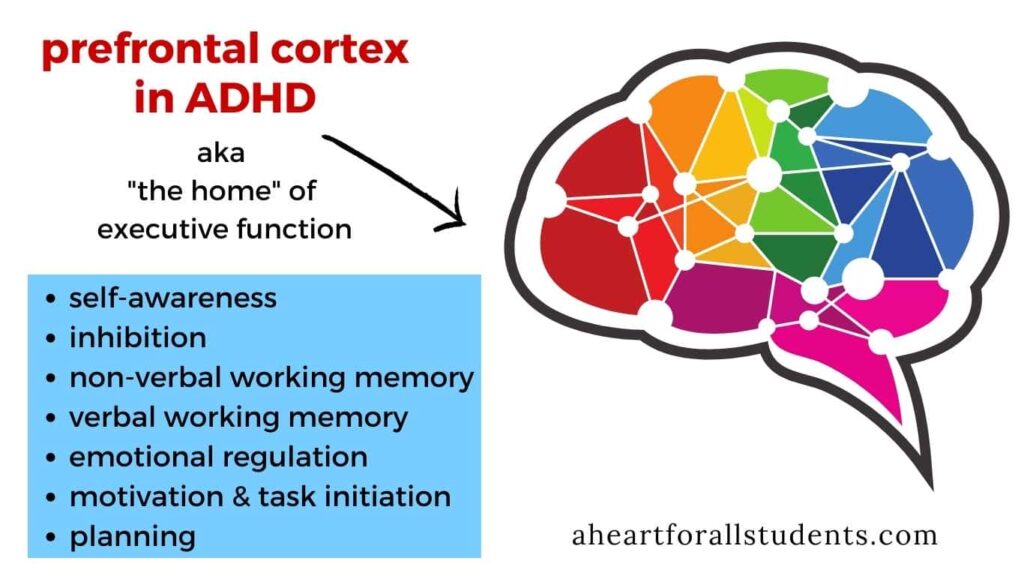
Specifically, it’s considered a neurodevelopmental disorder associated with challenges in executive functioning skills. These skills are housed in the prefrontal cortex. Executive functioning skills include:
- Self-Awareness
- Inhibition
- Non-Verbal Working Memory
- Verbal Working Memory
- Emotional Self-Regulation
- Self-Motivation
- Planning & Problem Solving
Having control over these skills is the exact opposite of ADHD.
Symptoms of ADHD in Kids & Adults
People with ADHD are known to display:
- impulsive behaviors
- struggling to control emotional responses
- difficulties sustaining attention
- challenges with working memory
- initiating tasks
- and more
It’s easy to see that those with ADHD struggle with executive function. This is due, in part, to the important role specific neurotransmitters play in the prefrontal cortex. One important neurotransmitter that impacts the prefrontal cortex is dopamine.
What is Dopamine?
If you’re at all familiar with ADHD, you know that it’s related to low levels of dopamine. Dopamine is a type of neurotransmitter concentrated in certain brain regions including the midbrain and cortex.
This neurotransmitter originates from the amino acid, tyrosine, and acts as a chemical messenger between nerve cells. Further, it has several roles related to cognitive function and movement.
Many medical conditions are related to dopamine deficiency. For example, those with Parkinson’s disease have much lower levels of dopamine, causing symptoms such as involuntary body movement.
Concerning ADHD, dopamine plays a large role in:
- Attention
- Memory
- Rewards
- Sleep
- Motivation
Dopamine Transporters
Studies show high levels of dopamine transporters in those with ADHD. High dopamine transporter density means dopamine is removed before it can attach to dopamine receptors. This results in increased ADHD symptoms such as:
- Inattention
- Decreased motivation
- Difficulties with task initiation
Dopamine: Rewards & Consequences Don’t Work
Parenting and education in the U.S. have been greatly influenced by the lens of behaviorism. Behaviorism is an area of psychology that focuses on modifying behaviors using rewards, consequences, and punishments. We now know that, in the long-term, behaviorism approaches do not work on children and adults with ADHD.
Further, in one research study, ADHD children were negatively influenced by outside reinforcers compared to a control group. Specifically, kids with ADHD, when given even mild punishment (time-outs, for example) show significant differences in important qualities.
- their ability to persist and
- decreased engagement in wanted behaviors
- (trying new things including academic content) for fear of failure
Experts believe that dopamine function in ADHD is impaired specifically in relation to the brain’s response to rewards and motivation.

Emotional Regulation Tools
This motivated researchers to recommend emotional regulation tools and strategies rather than punishment for those with ADHD.
It’s important to note that providing ADHD kids with the tools they need to master their emotions is a skill. When used successfully, the ADHD child experiences the reward of a better outcome. This, in turn, can enhance the dopamine-reward cycle, motivating the use of healthy emotional regulation skills.
Stimulants, Dopamine, and Reward Pathways
Stimulant medications that act on neurotransmitters such as dopamine are the most common treatments to improve the symptoms of ADHD. One way stimulants work is by increasing available dopamine in the brain.
This is significant because those with ADHD are believed to have low dopamine levels impacting the brain’s reward system.
Specifically, stimulant medications such as methylphenidate and amphetamine, increase the release of dopamine in the brain’s reward pathway. There are multiple reward pathways in the brain. One of them leads from the brain stem to the prefrontal cortex area of the brain.
(Remember, the prefrontal cortex is responsible for the executive function skills that allow human beings to make wise choices.)
The other reward pathway leads from the brain stem to the nucleus accumbens. This nucleus accumbens area of the brain plays a key role in motivation. For these folks and others, getting as much dopamine from alternative sources is a priority.
Recap: Increasing Dopamine to Support ADHD
While many ADHD patients use stimulant medications, many prefer other treatment options to support the dopamine system.
For those with genetic factors that increase the risk of substance abuse, stimulant drugs may not be worth the risk. Fortunately, there are many different ways to increase dopamine in brain cells, and thus, reduce problematic ADHD symptoms.
So, Friend, what ways have helped you manage ADHD without medication? What do you or your children do to increase dopamine naturally?
Up Next:
63 Adult ADHD Symptoms in Women with FREE Checklist!
Lions Mane for ADHD: Why I Use It for My ADHD Family
17 Best ADHD Supplements to Improve Symptoms Naturally
ADHD Paralysis: 5 Tips to Stop It from Destroying You

About the Author:
Lindsay is a trauma-informed educator with a Master’s Degree in Teaching. Her mission is to support moms to equip neurodivergent kids (ADHD, Autism, Dyslexia, Anxiety) to thrive as exactly who they’ve been created to be. Wait until you hear the story that led to it all…
This post may contain affiliate links. As an Amazon Associate, I may earn a nominal fee from qualifying purchases. Thank you for your support. See my disclosure policy for more info.
Pin Me to Your Favorite Pinterest Board!


this article was so helpful and insightful! we’ve recently received diagnosis for ADHD in our oldest (now 8). we’ve been researching every alternative to meds that we possibly can. We’ve had to troubleshoot a lot but surely making progress. one big thing we have found that increases dopamine in our children is playing together. one of our favorite activities is a two for one…. tossing or bouncing a ball back and forth to each other. basically catch. we have many different varieties of things to throw, a humongous bouncy ball, nerf balls, cup catchers and soft frisbees. we obviously do it outside so we get that wonderful sun. everyone is so elated during and after a session of catch that it even makes transitioning a little easier. which we usually have a hard time with. thank you ever so much for sharing this information. it’s exactly what I was looking for and encouraging that we are already doing some of them! Thank you!!!
Anja,
I’m so happy that these strategies to increase dopamine for ADHD were helpful for you. And yes! Clearly, you’re one smart mom because you’re so wise to get your energetic ADHD kids outdoors to play ball. And passing a ball back and forth is a developmental skill that will increase the various connections in the brain to make learning so much easier. Honored to hear from you!
Thank you!
Lindsay 🙂
Great advices, you motivate me to try them, as much as i can. I struggle with ADHD for so long, and it doesn’t make sense to live like this anymore. I wasn’t aware that i have this problem since i was I teenager. Now it’s time to change my life! I will give you feedbacks of my improvement .9
wow, thank you so much, I am in awe how I keep finding new, useful, information after having dealt with now self-diagnosed ADHD for all my life. I just wanted to ask what does de 40Hz/min waves, does it mean the waves must decrease by 40Hz every minute?