
Teach kids to rhyme and read with a rhyming words list. The English language is saturated with rhyming words, the crux of children’s nursery rhymes. Rhyming is one of several phonological awareness skills that are crucial for successful reading, writing, and speaking.
Manipulating different words with similar sounds (rhyming pairs) is an easy way to support language development. To make your job easier, I’ve created a list of words of many types of rhymes. Plus, different ways to use them to teach rhyming to kids.

This post may contain affiliate links. As an Amazon Associate, I may earn a nominal fee from qualifying purchases. Thank you for your support. See my disclosure policy for more info.
Rhyming Word List
The following contains lists of simple one-syllable words each with a different word family.
AT Rhyming Word List
- at
- cat
- rat
- sat
- mat
- bat
- hat
- that
AM Word Family
- am
- ham
- bam
- sam
- ram
- jam
- slam
- clam
AB Word Family
- cab
- jab
- gab
- lab
- drab
- crab
AD Word Family
- bad
- sad
- rad
- lad
- glad
IT Rhyming Words List
- it
- sit
- bit
- lit
- pit
- wit
- zit
ID Rhyming Words List
- bid
- rid
- hid
- did
- lid
ED Rhyming Words List
- bed
- Ned
- red
- said
- lead
- read
- wed
For more on Phonological Awareness, read:
ET Rhyming Words Lists
- set
- jet
- pet
- let
- get
- bet
- met
- wet
OT Rhyming Words List
- pot
- cot
- rot
- tot
- lot
- zot
- bought
- fought
- wrought
- snot
- blot
- brought
- haut
OP Rhyming Words List
- hop
- pop
- lop
- top
- bop
- stop
UM Rhyming Words List
- hum
- gum
- glum
- plum
- sum
- some
IG Rhyming Words List
- pig
- big
- rig
- dig
- fig
- twig
For more ideas, and to download a full list of CVC (consonant vowel consonant) rhyming words list, check out 15 Ways to Teach Rhyming.
How to Use a Rhyming Words List
There are many ways to use a rhyming words list as you work with students.
These rhyming activities can be done with small groups of kids as a way to support phonemic awareness and listening skills.
Read Rhyming Books Aloud
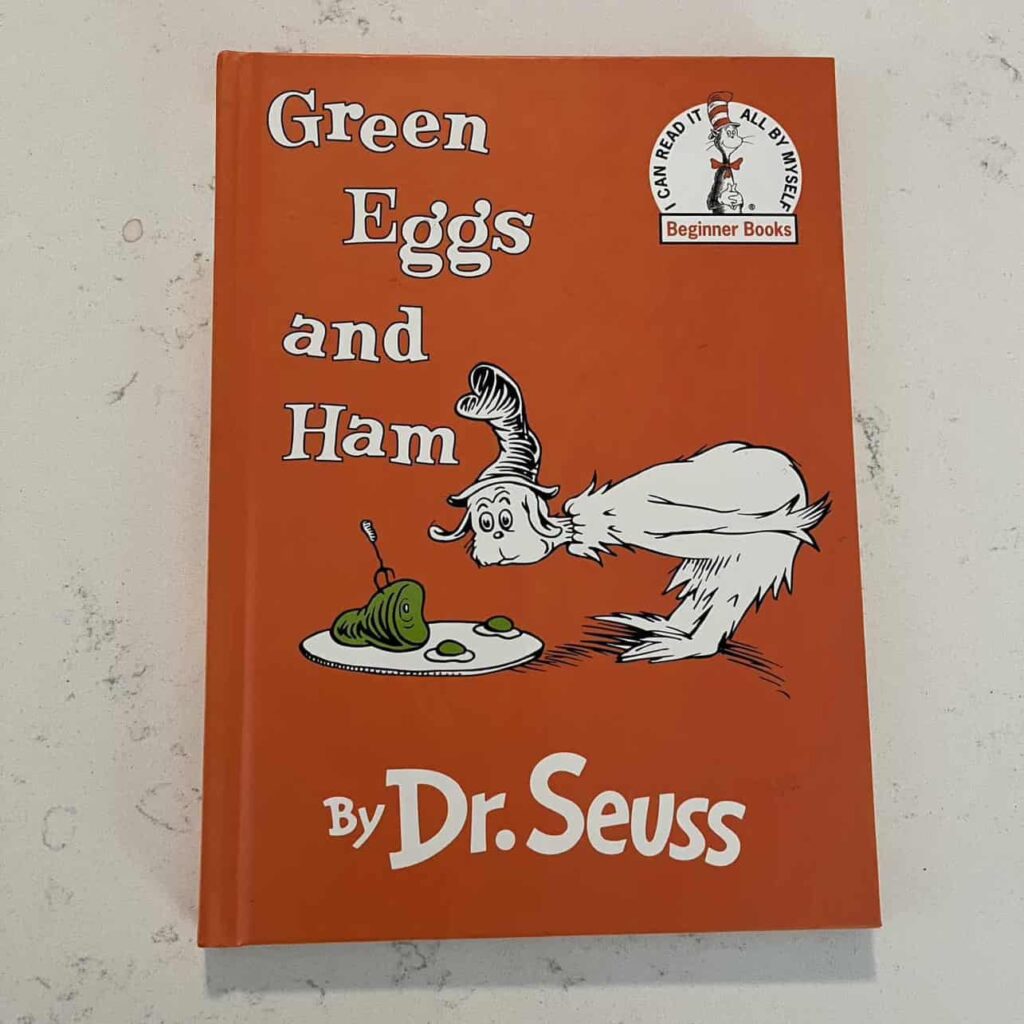
Reading aloud to children is a wonderful experience for both kids and parents alike. One of the best ways to develop a love of reading for young readers is to harness the rhythm of rhyme through storytelling.
In fact, Dr. Seuss got his start when he was asked to create catchy rhyming stories for early readers.
Reading rhyming books to non-speaking autistic children is also an incredible way to support communication skills and language acquisition. Check out 33 Best Rhyming Books for Kids.
How to Read Aloud to Children
Using engaging intonation on rhyming words at the end of each line is essential. Your goal is to help your student begin to identify the sounds of rhyming words.
For example, in Green Eggs and Ham,
That Sam I am,
That Sam I am,
I do not want green eggs and ham.
Think like a speech therapist and enunciate those final rhyming words so your child hears those sounds.

Play with Nonsense Words
Making up nonsense words is a fun way to capture the attention of students who need to develop phonemic awareness skills.
Nonsense words are simply words that have no actual meaning but that demonstrate the rhyming principle.
A simple idea is to choose a rime, an ending sound, and see how far you and your child can go back and forth creating new words.
For example, say you’ve chosen the rime “-ed” as in “bed”.
- bed
- ned
- red
- head
- said
- wed
- zed
- fed
- ved
- ted
- lead
- led
- pled
- stred
- ched
- jed
- phed
- yed
All of the bolded words are nonsense words that have no meaning but continue with the phonological pattern of matching ending sounds.
So, while “yed” has no definition, it is the perfect rhyme because it follows the rhyming rule.
Poems and Rhyme
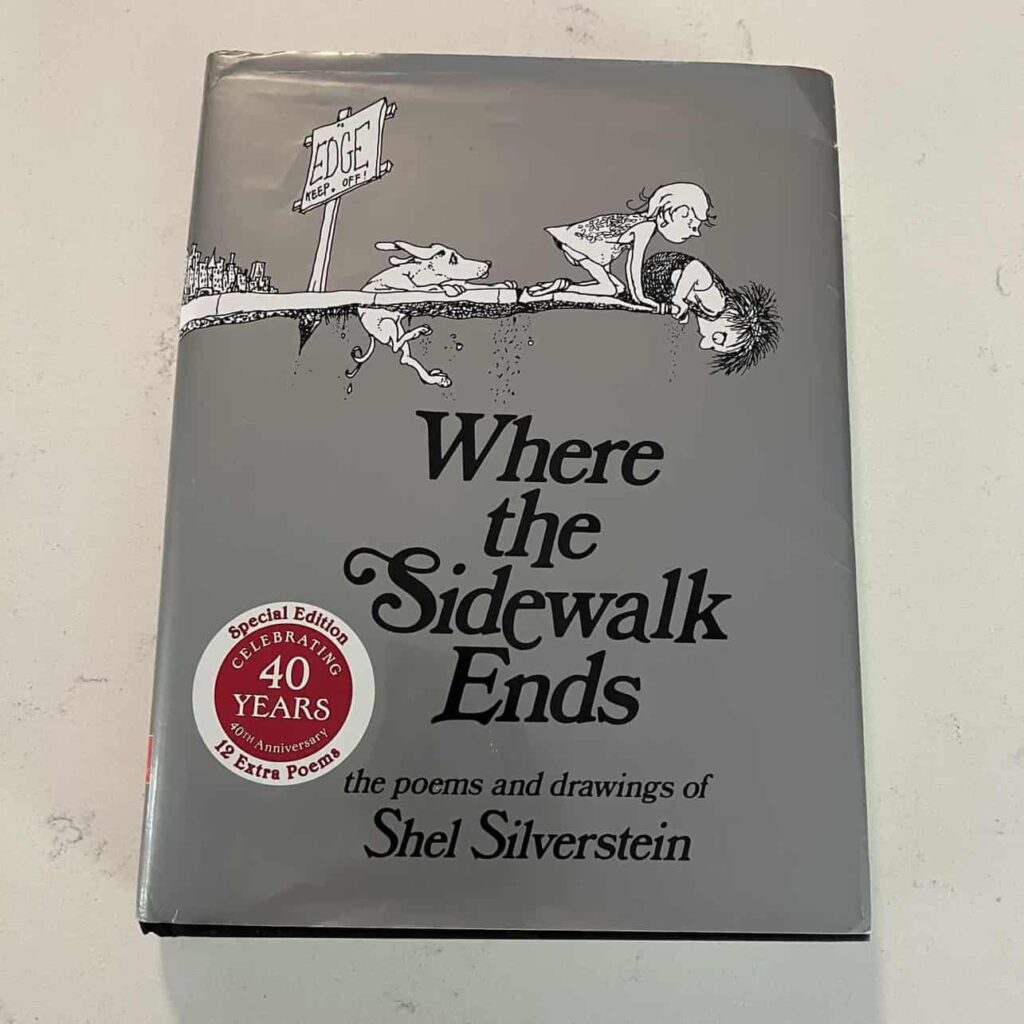
Another fun idea to teach rhyming is to read simple short poems with your students.
Gather some classic nursery rhymes or other books of fun poems that are not too long.
- Read them aloud with an engaging tone.
- Emphasize those rhyming words and ask your child to identify the rhyming pairs.
- Write the rhyme pairs on a small whiteboard for visual support.
- Be sure to discuss the fact that words don’t have to look the same to sound the same.
Consider this fun nursery rhyme olympics activity as well.
Memorization and Recitation
When your student is fluent in identifying rhymes, have them memorize and recite a short poem aloud. Allow your child to choose the poem they’d like to memorize.
Switch Roles
Another idea is to have your child take the role of the teacher or reader. Have your child read a poem or rhyming story aloud to you while you identify the rhyming pairs.
Create a Rhyming Dictionary
Have your child or students compile a rhyming dictionary or a simple list of rhyming words.
- Simply take a piece of paper and fold it in half.
- Write Rhyming Dictionary on top.
- Have your child add to the dictionary as you read poems and books together.
Another idea is to use a simple spiral notebook to collect word families. Don’t overthink it. Simple and minimal is good. Especially for neurodivergent children (ADHD, Autism, dyslexia, etc.)

Why is Rhyming Important?
Strong language abilities begin with a child’s ability to hear, recognize, isolate, and manipulate sounds to make new words.
Parents and educators often assume that kids naturally develop the skills they need to begin learning to read in kindergarten. However, this is often not the case.
Before a child can ever learn to read and write, they must have a strong sense of phonological awareness.
What is Phonological Awareness?
Phonological awareness is the overarching ability to hear, isolate, and manipulate the separate parts of spoken words. Think about it this way.
The prefix “Phono” means “sound” or “voice.” This means that phonological awareness is based on hearing and playing with sound. It has nothing to do with written text.
Without the ability to hear and listen to sounds and words, reading and writing fluently will not happen.
All that said, rhyming is one form of phonological awareness that uses a common ending sound as the basis of wordplay. This is one reason that some of the best early children’s literature is rooted in rhyme.
Recap: Rhyming Words List
In the end, there are many benefits to being able to rhyme. If you’d like more rhyming activities, tools, and FREE rhyming word lists, check out the following:
- FREE CVC Rhyming Words Printables
- 15 Ways to Teach Rhyming to Kindergarten and Older
- 33 Best Rhyming Picture Books for Kindergarten and More
- CVCe Word List Printables
So, friend. How do you teach rhyming in your classroom or homeschool?

About the Author:
Lindsay is a trauma-informed educator with a Master’s Degree in Teaching. Her mission is to support moms to equip neurodivergent kids (ADHD, Autism, Dyslexia, Anxiety) to thrive as exactly who they’ve been created to be. Wait until you hear the story that led to it all…